
Zinsco Panel Replacement in South Orange County
Zinsco and GTE-Sylvania breakers can fuse to the bus and keep feeding power while losing the ability to trip, which is why a full replacement is the real fix. Right now you also get $500 off a 200-amp upgrade.
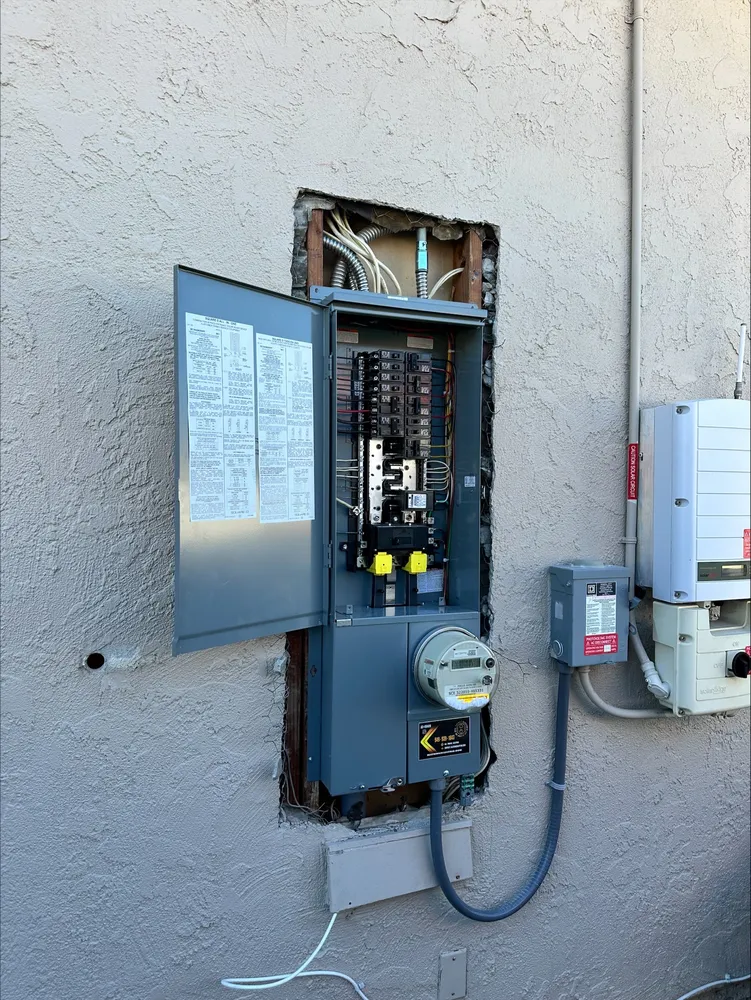
What a Zinsco Panel Is
A Zinsco panel is an older residential load center that was common in homes built or rewired from roughly 1963 to 1981. The Zinsco brand introduced its twin breaker design in 1963, GTE-Sylvania bought the company in 1973 and kept the same design under the Sylvania label, and GTE-Sylvania left the electrical distribution business in 1981. So if your South Orange County home went up or got rewired in the late 1960s or 1970s, a Zinsco or GTE-Sylvania panel is a real possibility.
One thing worth being precise about is that not every Sylvania panel is the hazardous type. The problem lives in the Zinsco design specifically, meaning the aluminum bus and the horseshoe-shaped clip-on breakers. We are talking about Zinsco and GTE-Sylvania panels built on that Zinsco design, not every panel that happens to carry a Sylvania name.
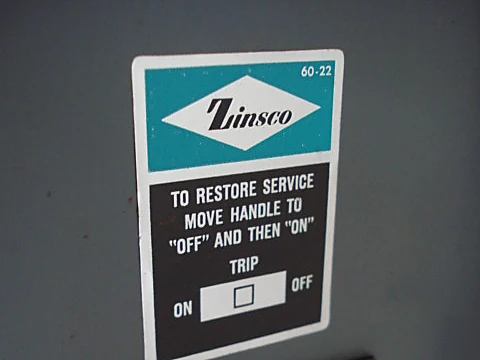
How to Tell If You Have a Zinsco Panel
You can usually spot a Zinsco panel from the front without touching anything inside. Look at the deadfront or the door label for the words Zinsco, GTE-Sylvania, Sylvania, or the older Magnetrip and Magnatrip names. The clearest tell is the breaker handles themselves, because Zinsco-design breakers use color-coded toggles. A 15-amp breaker is often blue, a 20-amp is red, and a 30-amp is green, with some gray and white in the mix. A row of multi-colored handles is a strong sign you are looking at a Zinsco panel.
Please do not pull any breakers or take the cover off to check. That is the one part where an old Zinsco panel is genuinely unsafe to poke at. If you see colored breaker handles or a GTE-Sylvania label, just snap a photo of the panel door and label and send it over. We can tell you what you have from the picture.
Book a free on-site assessment. We give you a flat-rate price in writing, with no obligation.
Why Zinsco Panels Fail Over Time
The danger with a Zinsco panel is not wear and tear, it is the design. The breakers connect to the bus with a loose aluminum clip instead of a secure snap-on, and that loose connection is where the trouble starts.
- Breakers weld to the bus and stop trippingThe loose clip arcs and builds heat until a breaker can fuse to the aluminum bus bar, and once it is welded on it can no longer trip on an overload while current keeps flowing.
- A handle can read off while the circuit is liveWhen a breaker is welded at the bus, the toggle can show off even though the wire behind it is still energized, so a circuit you believe is dead may actually be live.
- Independent testing found a real failure-to-trip rateIndependent testing by Dr. Jesse Aronstein found that about a quarter to nearly a third of Zinsco breakers failed to trip under standard overload conditions, which is far higher than you want from the one device meant to protect the circuit.
- Corrosion makes the weak connection worseThe aluminum bus and clip connection corrode and overheat over time, and corrosion only deepens the poor contact and arcing the design already has, which matters more for coastal South OC homes near the salt air.
What a Zinsco Panel Means for Insurance and Resale
The insurance side of this is the most immediate reason homeowners call us. Carriers across Southern California have been getting stricter about Zinsco and Federal Pacific panels, and many insurers are now declining new policies, non-renewing, or canceling coverage on homes that still have one, pointing to the documented fire risk. If you got a non-renewal letter or an inspection note that named your panel, replacing it is usually what clears the coverage problem. You can read more about why insurers keep flagging these panels in our explainer on Federal Pacific and Zinsco panel insurance risk.
There is also a sale angle. California SB 382 takes effect on January 1, 2026, and it is a seller-disclosure law, not a replacement mandate. It does not name Zinsco by brand. What it does is require the seller of a single-family home to give buyers a written notice advising a professional inspection of the electrical system, since faulty wiring is a fire risk, can create insurance difficulties, and can limit capacity for solar and EV upgrades. In practice that means a Zinsco panel becomes a disclosed issue that a buyer can negotiate against, so replacing it before you list keeps it from becoming a price-cut item in escrow.
Can a Zinsco Panel Be Repaired?
No, and we want to be straight about why. The hazard is in the bus and clip system, not in any one breaker, so swapping a single breaker does not fix the underlying problem. The aftermarket replacement breakers made for Zinsco panels test about as unreliably as the originals and still ride the same weak aluminum bus, so they do not cure the design. The accepted fix is replacing the entire panel with a modern UL-listed load center.
What We Replace Your Zinsco Panel With
We replace the Zinsco panel with a clean, modern, UL-listed panel and matching breakers that snap securely onto a solid bus instead of clipping loosely onto an aluminum one. For most South Orange County homes from this era, the practical move is going to a modern 200-amp service, which solves the safety problem and adds capacity for EV charging, a heat pump, or solar down the road. You can see exactly how we handle the swap on our panel replacement page.
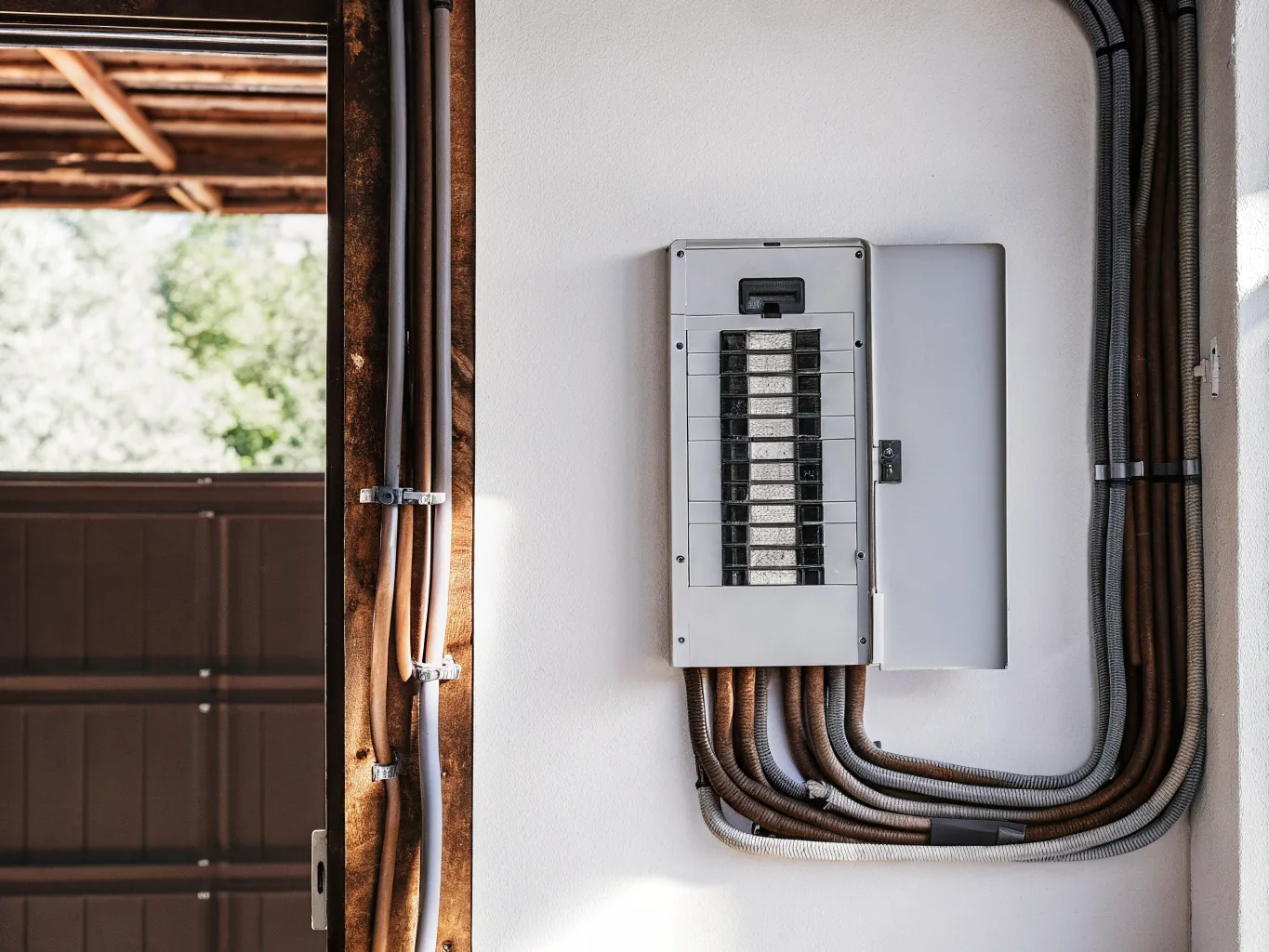
Our Zinsco Panel Replacement Process
We look at your panel, your service entrance, and your meter, then give you one flat-rate price in writing before any work starts, so there is no hourly surprise at the end.
Your OC jurisdiction requires a permit for a panel replacement and always when you increase amperage, so we file it with the existing and new service size and the new panel make and model.
SCE now requires the account holder to call 1-800-655-4555 to authorize the disconnect, so we tell you exactly what to say and schedule it three to five business days ahead of the install.
Most 200-amp upgrades are finished in a single day for the install itself, then the city inspects the work before power comes back.
Once the city passes inspection and issues clearance, SCE sets and locks the meter, which can take up to about fourteen working days on their end, so we set that expectation up front.
What Zinsco Panel Replacement Costs
Most South Orange County Zinsco replacements run somewhere in this range depending on whether you are matching your existing service or upgrading to 200 amps and what the meter and service entrance need, and the only number that truly counts is the flat-rate quote we put in writing for your home.
- Panel size and amperage, like matching 100A versus stepping up to a 200A service
- Overhead versus underground service and whether the mast or weatherhead needs replacing
- A combination meter-main, since service-entrance and meter work adds labor and parts
- Relocating the panel or running long conductors to a new location
- Grounding and bonding upgrades that current code requires for a 200-amp service
- Drywall and stucco patching after the service entrance is opened up
- Sub-panels, plus the condition of existing wiring, since aluminum branch or knob-and-tube runs add cost
We offer financing, so you can spread a Zinsco replacement out instead of paying it all at once, and right now you can stack the current $500 off a 200-amp upgrade on top.
Zinsco Panels in South Orange County Homes
Zinsco and GTE-Sylvania panels show up most in South Orange County tracts built or rewired from the late 1960s through about 1980, which covers a lot of the early build-outs in Mission Viejo, Lake Forest, Laguna Hills, Laguna Woods, and parts of Aliso Viejo. Homes closer to the water in Laguna Beach, Dana Point, San Clemente, and Newport Coast carry an extra reason not to wait, since salt air speeds up corrosion on the same aluminum bus and clip connection the design is already weak at. We work throughout South OC, so you can see the areas we cover and where your city fits.
CSLB #1084610
panels are all we do
from South OC homeowners
SCE territory specialists
Frequently Asked Questions
How do I know if I have a Zinsco panel
Look at the panel door or deadfront for a Zinsco, GTE-Sylvania, Sylvania, Magnetrip, or Magnatrip label, and look at the breaker handles. Zinsco-design breakers use colored toggles, often blue, red, and green, so a row of multi-colored handles is a strong sign. Do not open the cover. Just text us a photo of the door and label and we will confirm it for you.
Were Zinsco panels ever recalled
No, there was never a CPSC recall of Zinsco panels. It is worth knowing that the CPSC opened an investigation around 1980 and then dropped it because of budget constraints, not because the panels were found to be safe. So no recall is true, but it should not be read as a clean bill of health.
Why can a single breaker not just be replaced
Because the problem is the bus and clip system the whole panel is built on, not one breaker. The aftermarket breakers sold for Zinsco panels test about as unreliably as the originals and still sit on the same weak aluminum bus, so the only fix that actually solves it is replacing the entire panel with a modern UL-listed one.
Does my insurance really require me to replace it
Policies vary, so we will not speak for any one carrier, but many Southern California insurers are now non-renewing, canceling, or declining to write coverage on homes with Zinsco panels because of the documented fire risk. If your insurer flagged it, replacing the panel is usually what clears the issue. Our writeup on panel insurance risk walks through what carriers are doing.
How long does the work take and when does power come back
Most 200-amp upgrades are finished in a day for the install itself. Power coming back depends partly on SCE, since the city has to pass inspection first and then SCE sets and locks the meter, which can take up to about fourteen working days on their end. We coordinate the disconnect and reconnect and keep you posted on timing.
What does a Zinsco replacement cost in South Orange County
Most South OC replacements land somewhere around $2,500 to $6,000 or more, depending on whether you match your current service or step up to 200 amps and what the meter and service entrance need. We do not quote a fixed price sight unseen. We come out, look at your setup, and give you a flat-rate price in writing before any work begins. You can also read our breakdown of panel upgrade cost in Orange County.
Related Panel Help
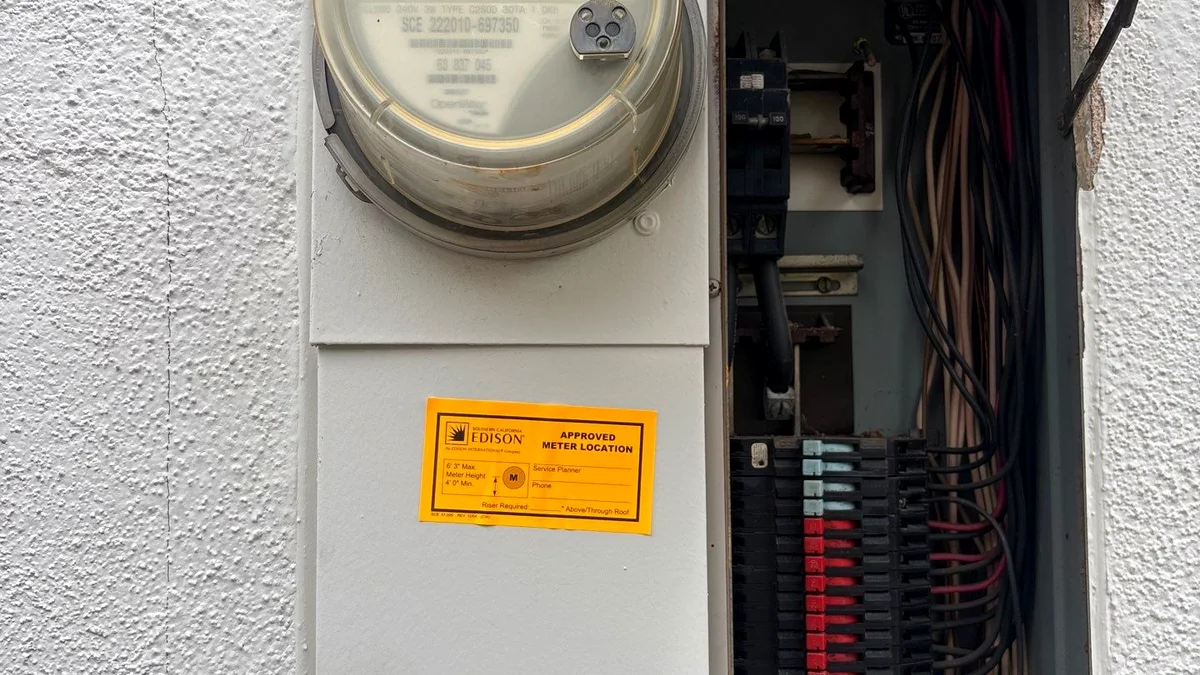
Electrical Panel Replacement in South Orange County
Full panel replacement for unsafe, overheated, corroded, or obsolete electrical panels across South Orange County, done to code in a day.
View service →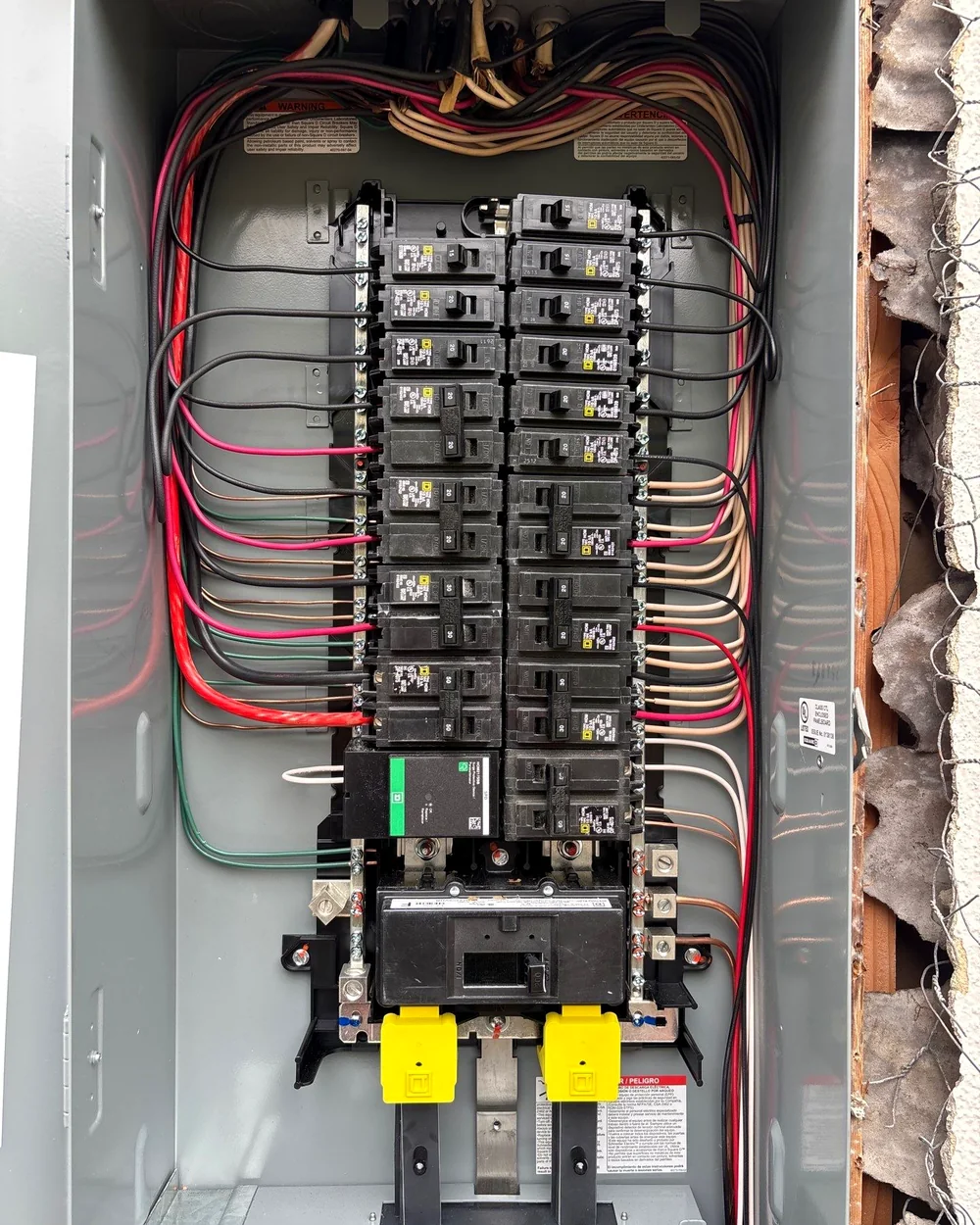
Electrical Panel Upgrade in South Orange County
A complete service upgrade that replaces your old panel, brings the whole service up to code, and gets your home ready for an EV charger, solar, or a heat pump.
View service →Take the free Panel Health Check and see what your answers point to in about two minutes. No pressure, and you can text us a photo to verify what you have.