
Challenger Panel Replacement in South Orange County
Challenger panels have a documented habit of overheating where the breaker clips onto the bus, and replacing the whole panel with a modern UL-listed one is the reliable fix. Right now you also get $500 off a 200-amp upgrade.
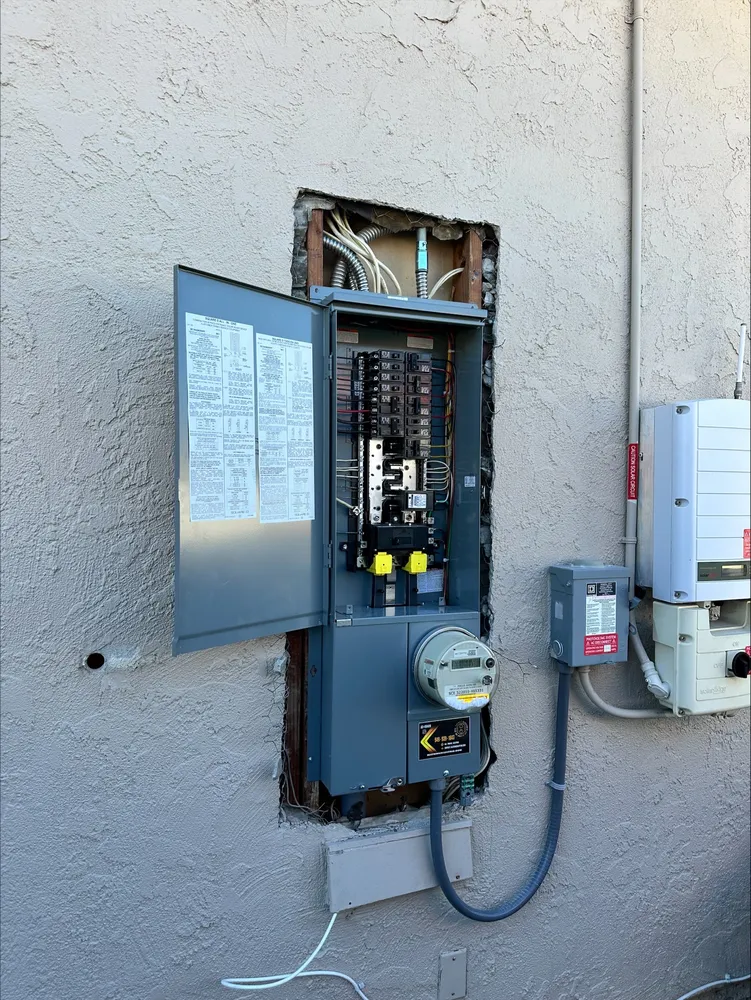
What a Challenger Panel Is
A Challenger panel is an older residential load center made by Challenger Electrical Equipment, and it was installed most often from the late 1970s through the mid 1990s. Plenty of South Orange County homes that went up or got re-paneled in the 1980s and early 1990s ended up with one. Some later units carry GTE-Sylvania or post-acquisition branding, which is one reason a quick label glance does not always tell the whole story.
The Challenger brand and its tooling changed hands several times over the years and the assets eventually landed with Eaton, also known as Cutler-Hammer. Because some Eaton and Cutler-Hammer BR-style breakers physically fit a Challenger panel, you can run into a single panel with mixed branding inside it. That is a big part of why we ask a licensed electrician to verify what you actually have rather than guess from the door.
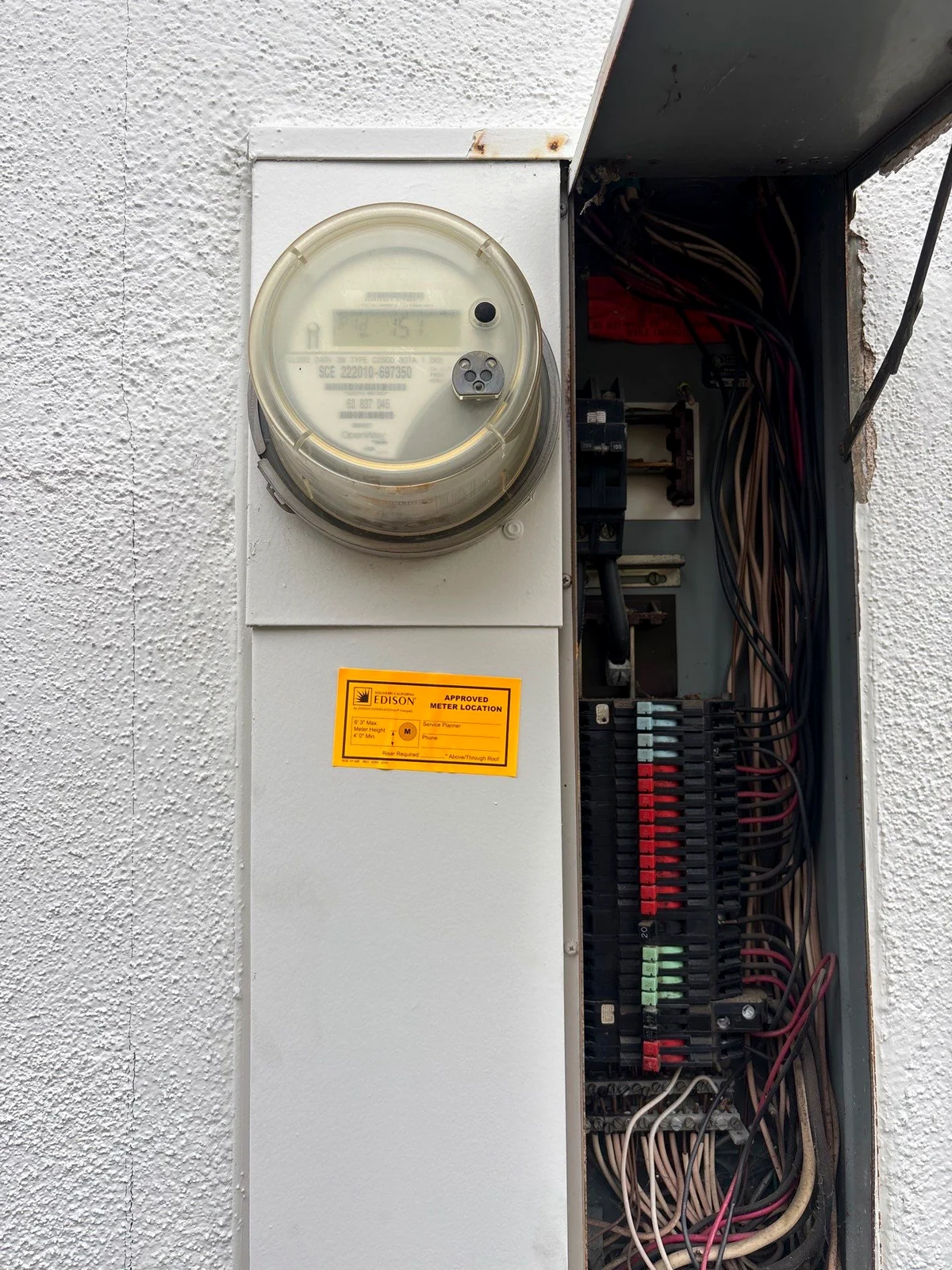
How to Tell If You Have a Challenger Panel
You can usually tell a Challenger panel from the front without opening anything. Look at the deadfront or the door label for the word Challenger, and look at the breaker handles and faces, since the Challenger name is often printed right on the breakers. The breakers use a distinctive side-clip connection to the bus, sometimes called a Type A connection. A vintage cue helps too, because most of these went into SoCal homes built or re-paneled from the late 1970s into the mid 1990s.
Please do not pull any breakers or take the deadfront off to check. From the outside with the cover on, the things worth noticing are scorch marks, a warm cover, a faint burning or plastic smell, flickering lights, or breakers that will not reset. If you spot a Challenger label or any of those signs, just snap a photo of the panel door and label and send it over and we will tell you what you are looking at.
Book a free on-site assessment. We give you a flat-rate price in writing, with no obligation.
Why Challenger Panels Were Recalled
The real-world issue with Challenger panels is heat where the breaker meets the bus, and it is documented in the field by inspectors and electricians. We want to be measured here, because not every Challenger panel has failed and some undamaged ones are fine, but the failure pattern is real and replacement is the dependable fix when there is damage, an insurance problem, or a pending sale.
- The side-clip connection runs hotChallenger breakers use a side-clip, often called a Type A, to grab the bus, and that design can make poor mechanical contact, which adds electrical resistance and builds heat right at the connection.
- Heating and cooling loosens the joint over timeUnder normal load the connection heats up and cools down again and again, and that cycle works the joint looser, which leads to arcing between the breaker and the bus that damages both sides.
- Inspectors find scorched bus and melted partsDocumented field evidence includes darkened or yellowed bus bars, melted insulation, scorched breaker connections, and corrosion at the contact points, with inspectors reporting heavily discolored sections feeding the main bus.
- Some breakers fail to trip when they shouldThere are also reports of Challenger breakers that do not trip on an overload or short the way they are supposed to, which lets the wiring keep heating instead of cutting the circuit.
What a Challenger Panel Means for Insurance and Resale
The insurance side is the most common reason homeowners call us about a Challenger panel. A number of insurers across Southern California treat Challenger the same way they treat Federal Pacific Stab-Lok and Zinsco, as an obsolete fire-risk panel, and many carry underwriting guidelines that exclude these older panels. In practice that can mean a declined new policy, a non-renewal, or a higher premium on a home that still has one in service. If your carrier flagged the panel or sent a non-renewal notice, replacing it is usually what clears the coverage problem. Our explainer on why insurers flag old panels walks through what carriers are doing and why.
There is a home-sale angle too. California SB 382 takes effect on January 1, 2026, and it is a seller-disclosure law, not a replacement mandate, and it does not name Challenger by brand. What it does is require the seller of a single-family home to give buyers written notice advising a professional inspection of the electrical system, since faulty wiring is a fire risk, can create insurance trouble, and can limit capacity for solar and EV upgrades. A Challenger panel is commonly flagged on a home inspection as a safety item, so replacing it before you list keeps it from stalling the sale or turning into a credit demand in escrow.
Can a Challenger Panel Be Repaired?
No, and here is the honest reason. The trouble lives in the bus and the side-clip connection, not in any single breaker, and compatible replacement breakers are scarce and largely discontinued anyway. Swapping a breaker does nothing for a bus that is already scorched or loosened. When there is damage or an insurance or sale issue on the table, the dependable fix that inspectors and insurers accept is replacing the whole panel with a modern UL-listed one.
What We Replace Your Challenger Panel With
We replace the Challenger panel with a clean, modern, UL-listed panel and matching breakers that seat securely on a solid bus instead of clipping onto the old side-clip design. For most South Orange County homes from this era, the practical move is a modern 200-amp service, which solves the safety problem and adds headroom for EV charging, a heat pump, or solar later. You can see exactly how we handle the swap on our panel replacement page.
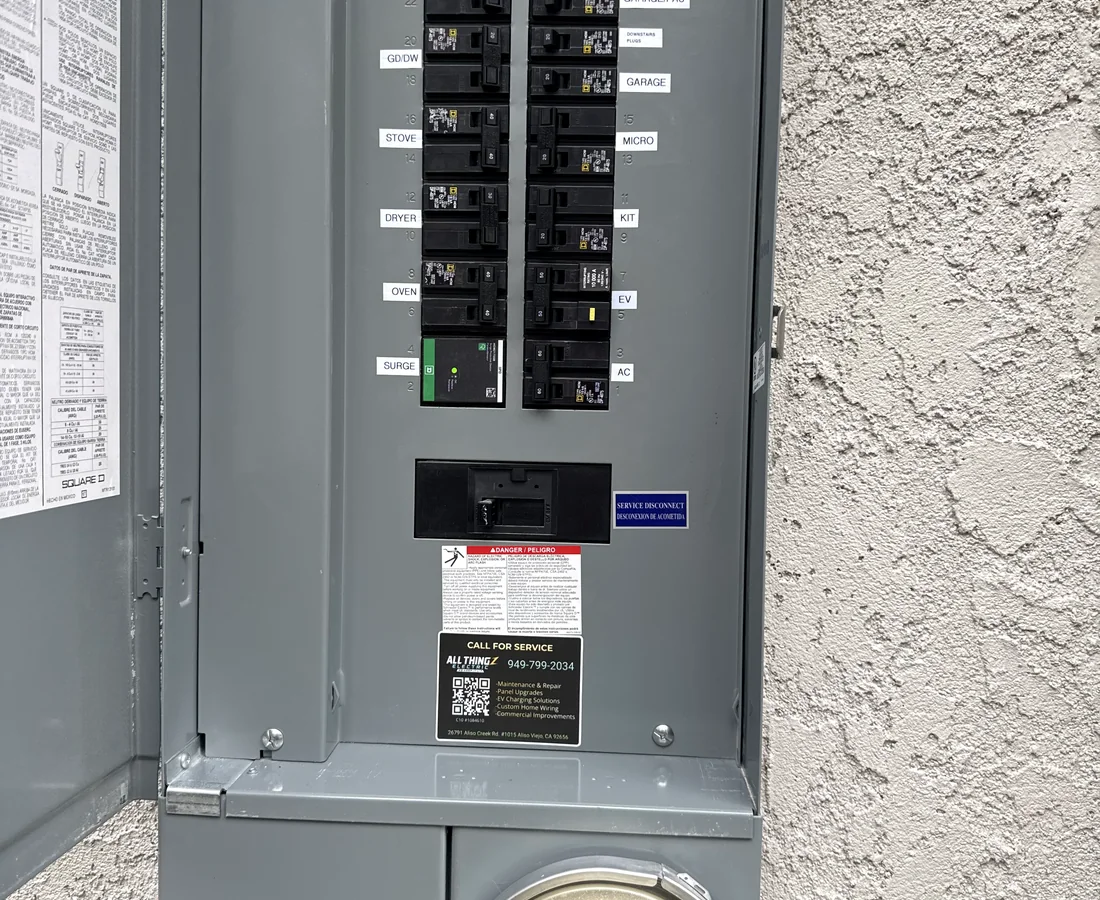
Our Challenger Panel Replacement Process
We look at your panel, your service entrance, and your meter, then give you one flat-rate price in writing before any work starts, so there is no hourly surprise at the end.
Your OC jurisdiction requires a permit and a final inspection for a panel replacement, and always when you increase amperage, so we file it with the existing and new service size and the new panel make and model.
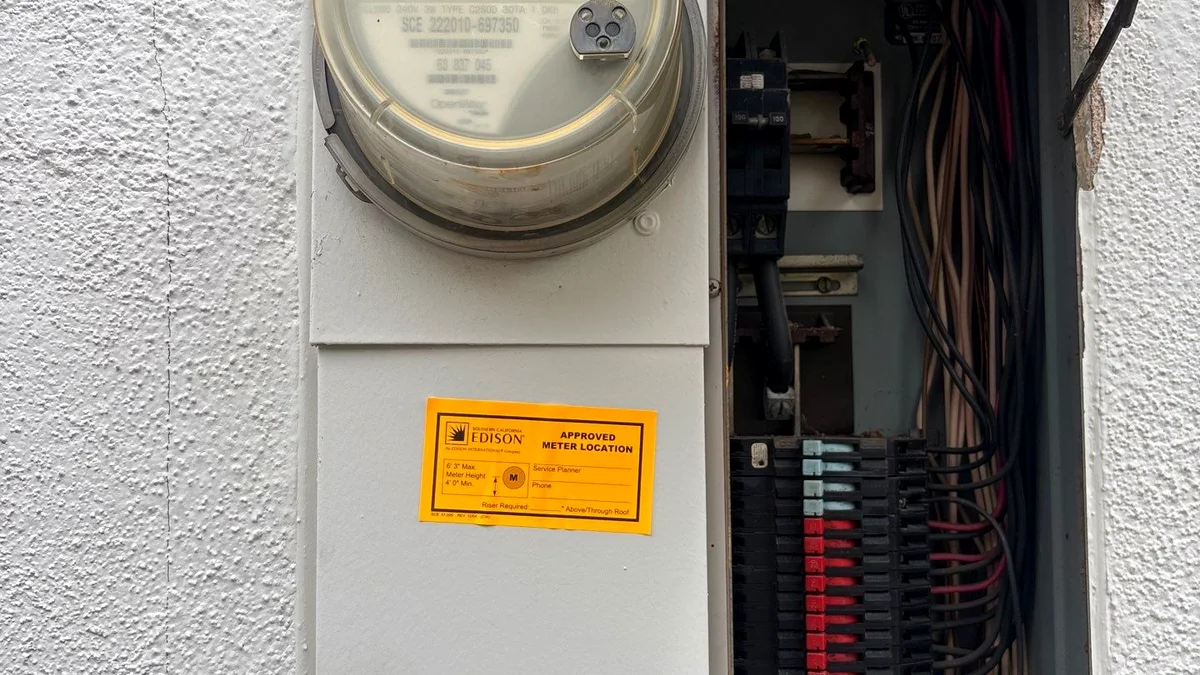
For a service upgrade we get a meter spot approval from SCE first, and SCE now often requires the account holder to call and authorize the disconnect, so we tell you exactly what to say and schedule it ahead of the install.
Most 200-amp upgrades are finished in a single day for the install itself, then the city inspects the work before power comes back on.
Once the city passes inspection and issues clearance, SCE sets and locks the meter, which can take up to about fourteen working days on their end, so we set that expectation with you up front.
What Challenger Panel Replacement Costs
Most South Orange County Challenger replacements land somewhere in this range depending on whether you match your existing service or step up to 200 amps and what the meter and service entrance need, and the only number that truly counts is the flat-rate quote we put in writing for your home.
- Panel size and amperage, like matching 100A versus stepping up to a 200A service
- A new meter socket or meter base if SCE requires one, which adds parts and labor
- Relocating the panel, since the California three-foot clearance rule between the panel and a gas meter can force a move
- Overhead versus underground service and whether the mast or weatherhead needs replacing
- Grounding, bonding, and ungrounded circuits brought up to current California code for a 200-amp service
- Permit fees, plus drywall and stucco patching after the service entrance is opened up
- Sub-panels and the condition of existing wiring, since older branch runs add cost
We offer financing, so you can spread a Challenger replacement out instead of paying it all at once, and right now you can stack the current $500 off a 200-amp upgrade on top.
Challenger Panels in South Orange County Homes
Challenger panels show up most in South Orange County homes built or re-paneled from the late 1970s through the mid 1990s, which covers a lot of the 1980s and early 1990s build-outs in Aliso Viejo, Mission Viejo, Lake Forest, Laguna Hills, Laguna Niguel, Rancho Santa Margarita, and Dana Point. Homes closer to the coast in Laguna Beach, San Clemente, and Newport Beach carry an extra reason not to wait, since salt air speeds up the corrosion that already works against the breaker-to-bus connection. We work throughout South OC, so you can see the areas we cover and where your city fits.
CSLB #1084610
panels are all we do
from South OC homeowners
SCE territory specialists
Frequently Asked Questions
How do I know if I have a Challenger panel
Look at the panel door or deadfront for the word Challenger, and look at the breaker faces, since the Challenger name is often printed right on them. Some later units read GTE-Sylvania instead, and you can run into mixed branding inside because Eaton and Cutler-Hammer breakers fit. Do not open the cover to check. Just text us a photo of the door and label and we will confirm what you have.
Were Challenger panels ever recalled
There was one narrow recall, and it is worth being precise about. In 1988 the CPSC and Challenger recalled the Type HAGF-15 and HAGF-20 single-pole GFCI breakers because a part could come loose and keep the ground-fault feature from working, which is a shock-protection defect. That recall was only about those GFCI breakers, not the whole panel. The separate and bigger story, the breaker-to-bus overheating, is a documented field-failure issue, not a recall, so we keep those two facts apart.
Is every Challenger panel a fire waiting to happen
No, and we will not tell you that. Not every Challenger panel has failed, and some inspectors point out that many are fine if they are undamaged. The honest read is that the breaker-to-bus overheating is real and well documented, so when there is visible damage, an insurance flag, or a pending sale, replacing the panel is the reliable way to settle it.
Why can a single breaker not just be replaced
Because the issue is the bus and the side-clip connection, not one breaker, and compatible Challenger breakers are scarce and mostly discontinued anyway. Putting a new breaker on a bus that is already scorched or loosened does not solve anything. The fix inspectors and insurers accept is replacing the entire panel with a modern UL-listed one.
Does my insurance really require me to replace it
Policies vary, so we will not speak for any one carrier, but many Southern California insurers now non-renew, decline, or raise premiums on homes with Challenger panels because they treat them as obsolete fire-risk panels alongside Federal Pacific and Zinsco. If your insurer flagged it, replacing the panel is usually what clears the issue. Our writeup on panel insurance risk covers what carriers are doing.
How long does the work take and when does power come back
Most 200-amp upgrades are finished in a day for the install itself. When power comes back depends partly on SCE, since the city has to pass inspection first and then SCE sets and locks the meter, which can take up to about fourteen working days on their end. We coordinate the disconnect and reconnect and keep you posted on timing.
Related Panel Help
Electrical Panel Replacement in South Orange County
Full panel replacement for unsafe, overheated, corroded, or obsolete electrical panels across South Orange County, done to code in a day.
View service →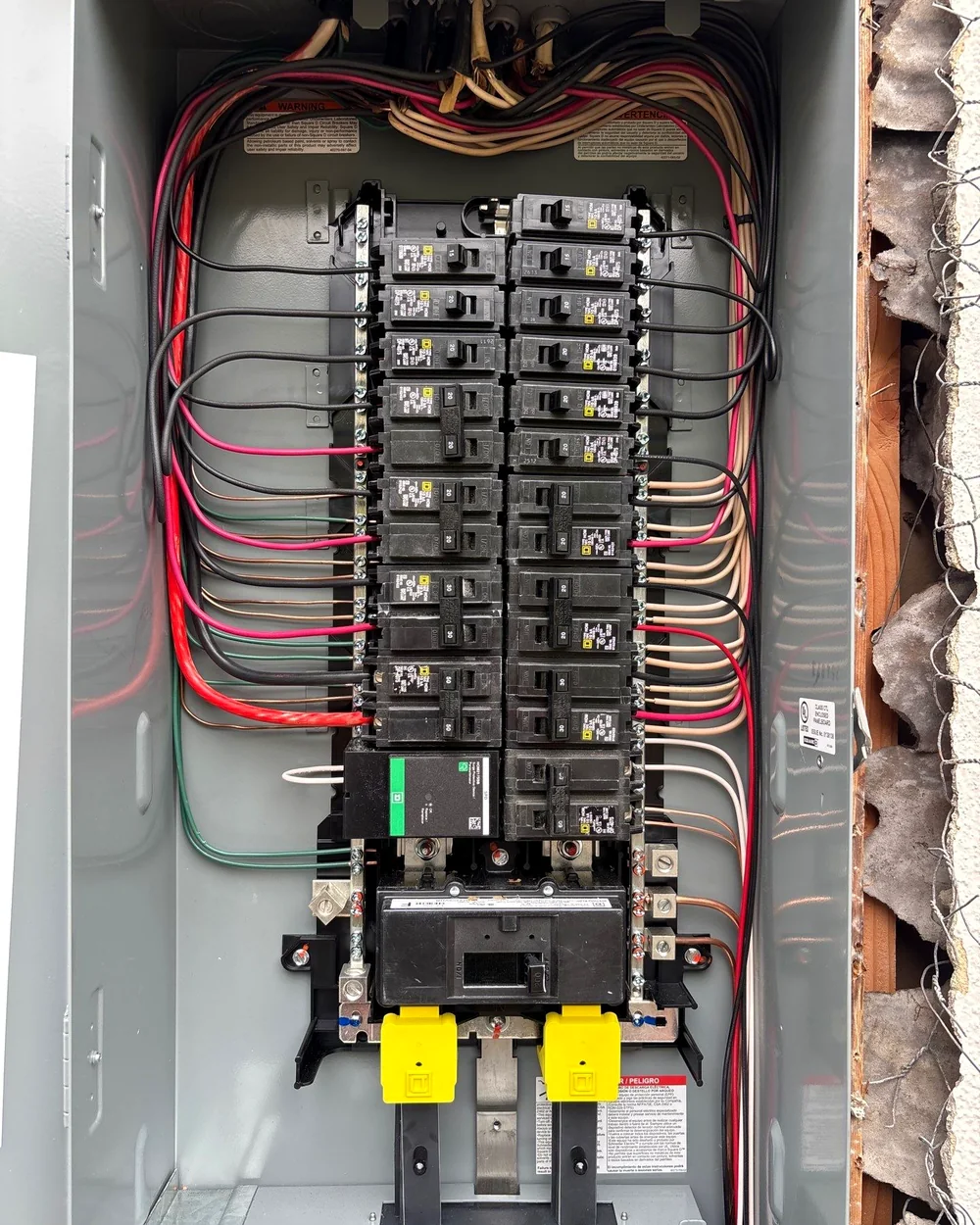
Electrical Panel Upgrade in South Orange County
A complete service upgrade that replaces your old panel, brings the whole service up to code, and gets your home ready for an EV charger, solar, or a heat pump.
View service →Take the free Panel Health Check and see what your answers point to in about two minutes. No pressure, and you can text us a photo to verify what you have.