
Sub-Panel Installation in South Orange County
When you need more breaker space or power in a new spot like a garage, ADU, workshop, or pool, a sub-panel feeds off your existing service and usually skips the power company entirely. We run the load calculation first, pull the permit, and often finish in a single day.
What a Sub-Panel Installation Is
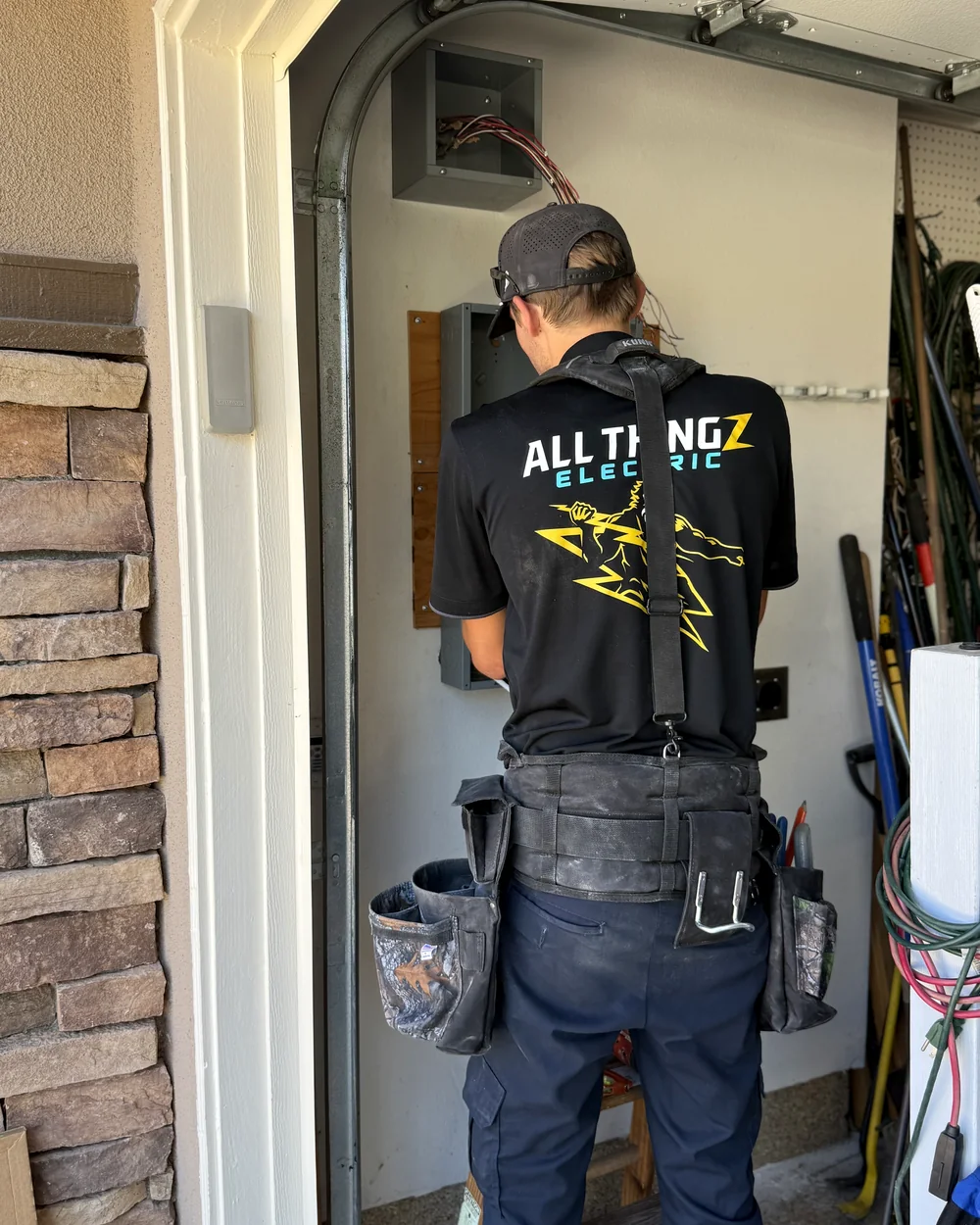
A sub-panel adds circuit space and brings power to a new location in or near your home, and it does it without changing how many total amps your house can pull. It is fed by a breaker in your existing main panel, so the work happens downstream of the meter and usually skips Southern California Edison entirely. That is the key difference from a service upgrade, and it is why a sub-panel is often a one-day job. Panels are all we do at The Panel Pros, so we run this work every week across Mission Viejo, Lake Forest, Laguna Niguel, and the rest of South Orange County.
What a Sub-Panel Installation Includes
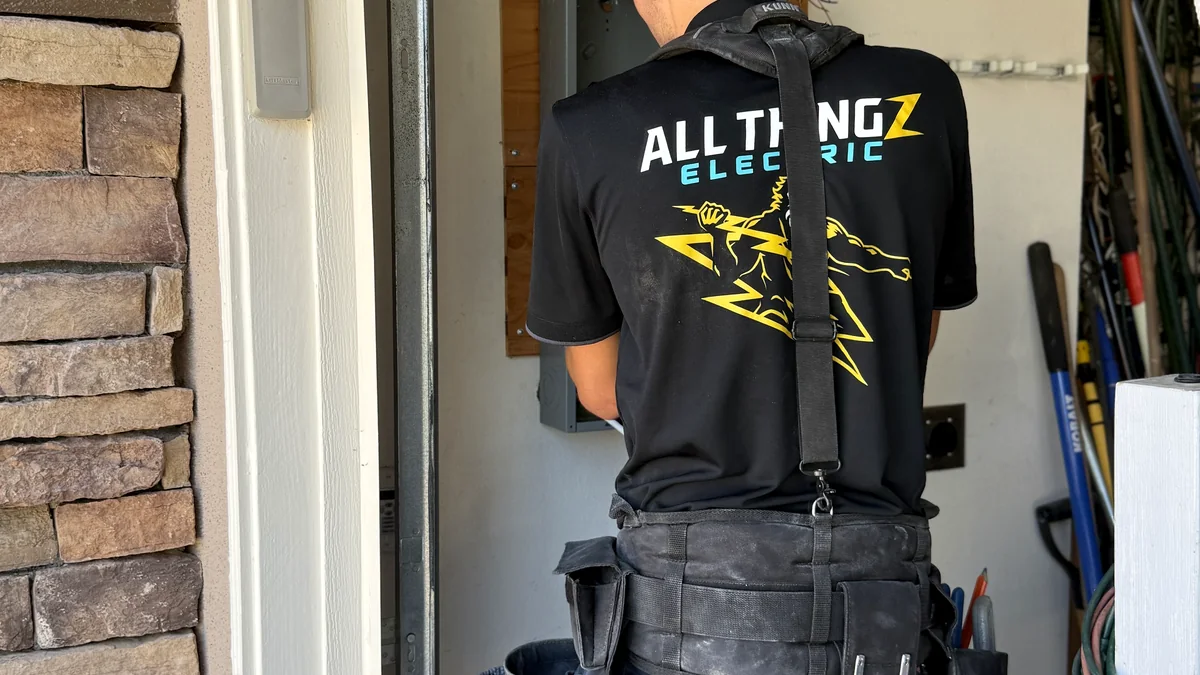
Every sub-panel we install is a complete, permitted, inspected feeder job done to current code, not a quick handyman tap. Here is what comes with it.
Before we quote anything, we run the load calculation to confirm your existing service has genuine spare capacity to feed the sub-panel. If your home is already pushing the limit, we tell you honestly, because then a service upgrade is the smarter move.
Modern sub-panels run on a 4-wire feeder, two hots, a neutral, and a separate equipment ground, sized to the amperage and the distance of the run. The old 3-wire method is no longer compliant for new installs, and longer runs get upsized wire to handle voltage drop.
Inside a sub-panel the neutral and ground buses stay isolated, with the bonding screw removed, because the neutral bonds to ground only at the main service panel. This is the single most common thing DIY and handyman jobs get wrong, and getting it right is exactly why you hire a licensed C-10.
If the sub-panel feeds a detached garage, workshop, or ADU, current code calls for its own grounding electrode system with ground rods at that building plus a disconnect. Sub-panels inside the same building do not need this, and we size the install to your situation.
Pool and spa sub-panels carry their own GFCI protection and bonding requirements under the pool and spa rules of the current code, and coastal homes from Laguna Beach to Dana Point often need a corrosion-rated outdoor enclosure on top of that.
We pull the city electrical permit, handle the final inspection, and hand you a flat-rate price in writing before we start, so there are no surprise change orders once the work is underway.
Book a free on-site assessment. We give you a flat-rate price in writing, with no obligation.
Signs You Need a Sub-Panel Installation
A few clear signs a sub-panel is the right call for your home.
- You are converting a garage or adding an ADU that needs its own circuits
- Your main panel is far from where you need power, like a back workshop or detached garage
- You are adding a pool, a spa, or a hot tub that needs dedicated circuits
- You are finishing an addition, a guest suite, or a home office
- Your main panel has the capacity but the new space is across the yard
- You want power and breaker space in the garage for a workbench, tools, or a freezer
- An electrician told you your service has room but the new area needs its own subfeed
Permits, Inspection, and the SCE Meter Release
A sub-panel install needs a city electrical permit and a final inspection every single time, and the good news is you do not have to deal with any of that. We pull the permit with your South Orange County city first, whether you are in Mission Viejo, Lake Forest, San Clemente, or Coto de Caza, because the current California Electrical Code requires it. Sub-panels are an over-the-counter permit in most local cities, so this part is genuinely fast, and the fee is built into the flat quote you approve.
Here is the part most homeowners do not expect, and it works in your favor. A sub-panel fed from your existing main panel does not need an SCE meter release. The whole job happens downstream of the meter, so we add a feeder breaker in your current panel and run the feeder to the new sub-panel without ever touching the utility side. No power-company scheduling, no meter pull, no waiting on Southern California Edison. That is the opposite of a 200-amp service upgrade, where SCE has to de-energize the service and release the meter, and it is the main reason a sub-panel is so often a one-day job.
One honest caveat. If the sub-panel is bundled with a service or meter upgrade, or it taps ahead of your main breaker, then SCE involvement comes back into the picture. A pure downstream sub-panel does not. After the install, your city inspector verifies the feeder size, the separated neutral and ground, the grounding, and the breakers all meet code. We handle the permit and the inspection end to end. If your service turns out to be maxed and you actually need more amps, our electrical panel upgrade page covers that route.
How a Sub-Panel Installation Works
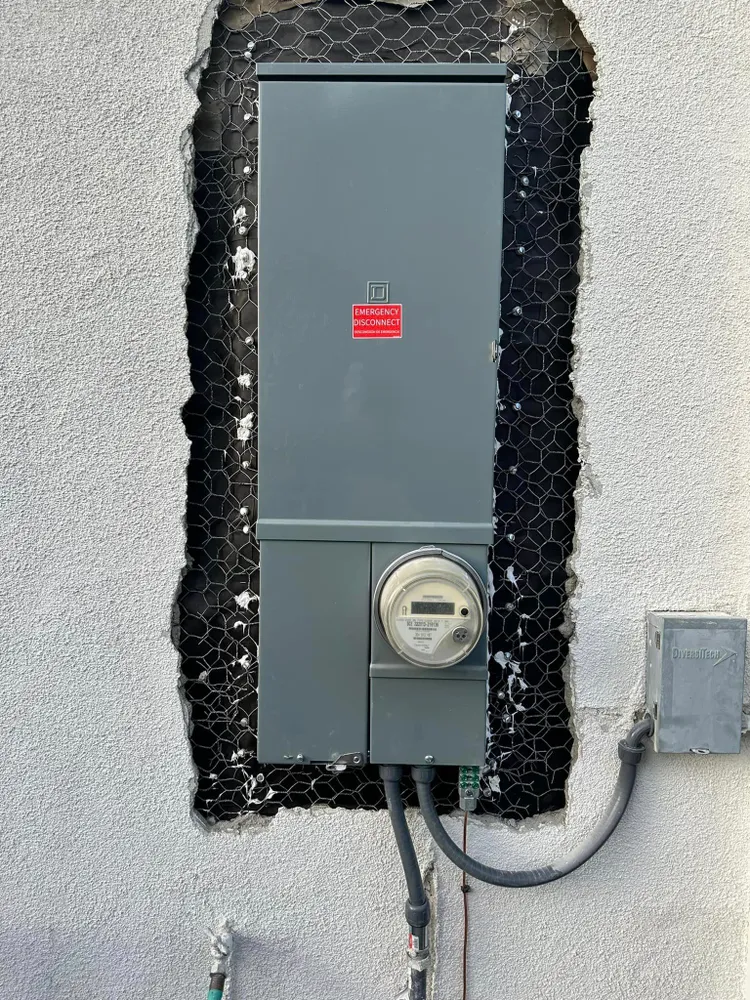
We come out, look at your main panel and the new location, and run the load calculation to confirm your service has the spare capacity to feed a sub-panel.
You get one clear price in writing that covers the sub-panel, the feeder, the permit, and the inspection, with no change orders later.
We pull the over-the-counter electrical permit with your South Orange County city, which in most cases is quick since this is like-for-like added circuit space.
Because there is no SCE meter release to wait on, we add the feeder breaker, run the feeder, and set the sub-panel, frequently in one day with minimal disruption.
The city inspector verifies the feeder, the separated neutral and ground, and the grounding all meet code, we handle the visit, and your new sub-panel is officially done.
What a Sub-Panel Installation Costs
A small 50-amp to 60-amp sub-panel in an attached garage with a short run usually lands on the lower end, while a 200-amp sub-panel for an ADU with a trenched underground feeder runs toward the top. South Orange County costs sit above national averages because of copper, labor, trenching, and permitting here on the coast. The only number that matters is the flat-rate written quote we give you after the free on-site load calculation.
- Sub-panel amperage, whether 60A, 100A, or 200A
- Distance of the feeder run, since longer runs need upsized wire for voltage drop
- Trenching for a detached structure, which adds cost by the foot for an underground feeder
- Attached versus detached, since detached buildings need ground rods and a disconnect
- Whether your main panel has a spare slot for the feeder breaker or is already full
- Wall finish and drywall patching, plus conduit versus cable and indoor or outdoor enclosure
- Pool and spa work, which adds bonding and GFCI requirements
CSLB #1084610
panels are all we do
from South OC homeowners
SCE territory specialists
Frequently Asked Questions
What is the difference between a sub-panel and a main panel upgrade
A sub-panel adds breaker space and brings power to a new spot, but it does not add total amps to your home, because it feeds off your existing service. A main panel upgrade adds total capacity, meaning more amps, and you need that when your home's overall electrical demand is outgrowing the service or the main panel is old, full, or unsafe. We run a load calculation first to tell you which one you actually need.
Do you have to involve Southern California Edison for a sub-panel
Usually no, and that is a real advantage. A sub-panel fed from your existing main panel happens entirely downstream of the meter, so there is no SCE meter release and no waiting on the power company. The only time SCE comes back in is if the sub-panel is bundled with a service upgrade or taps ahead of your main breaker.
Can a handyman install a sub-panel for less
They can, and it is exactly the job that gets done wrong. The most common mistake is failing to keep the neutral and ground bars separated inside the sub-panel, which is a real safety problem. Undersized feeders and missing ground rods on detached buildings are close behind. Panels are all we do, we are C-10 licensed, and we pull the permit and pass inspection so it is done right and on the record.
Do I need a permit for a sub-panel
Yes, always. A sub-panel install requires a city electrical permit and a final inspection, and skipping it risks fines and trouble at sale or appraisal. In most South Orange County cities this is an over-the-counter permit, so it is fast, and we handle the whole thing for you, including the permit and inspection.
What will a sub-panel cost in South Orange County
It depends on the amperage, the length of the feeder run, and whether the building is attached or detached. A small attached-garage sub-panel with a short run sits at the lower end, while a 200-amp ADU sub-panel with a trenched feeder runs much higher. The overall range here is roughly $900 to $6,000 or more, and we give you a flat-rate written quote after a free on-site assessment so you know the exact number before any work starts.
Can a sub-panel get my home ready for an EV charger or heat pump
Sometimes, if your service has the spare capacity for the new load. A sub-panel can put circuits closer to where the charger or equipment lives, but it does not add amps to your home. If your main panel is already near its limit, you may need more capacity first. Our EV and heat pump panel prep page walks through how we size that, and our guide on whether your South OC home needs a 200-amp panel covers the math.
Related Panel Help
Electrical Panel Upgrade in South Orange County
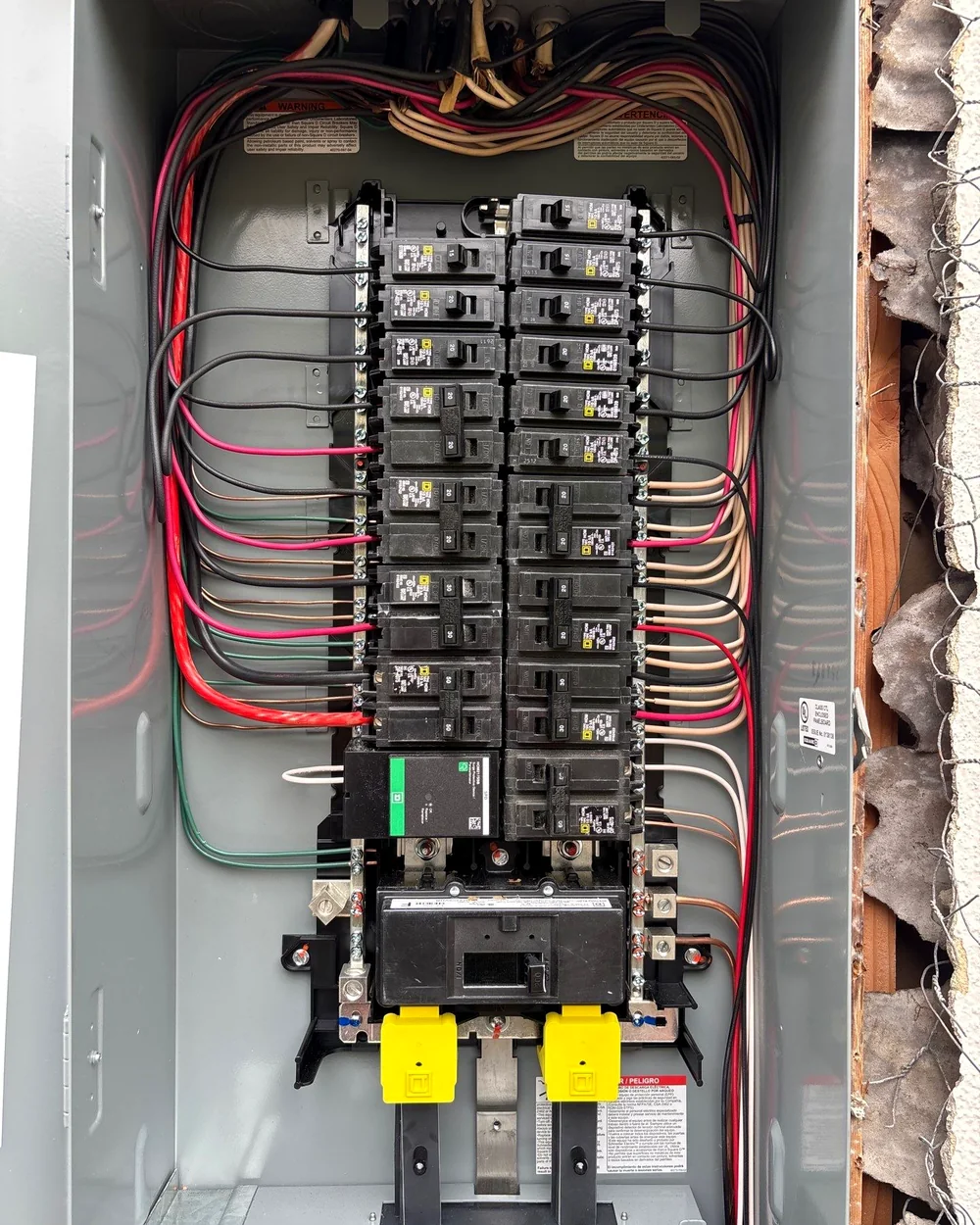
A complete service upgrade that replaces your old panel, brings the whole service up to code, and gets your home ready for an EV charger, solar, or a heat pump.
View service →
EV and Heat-Pump Panel Prep
Find out whether your panel can carry an EV charger or a heat pump, and get it ready the right way with a load calc done before we recommend anything
View service →